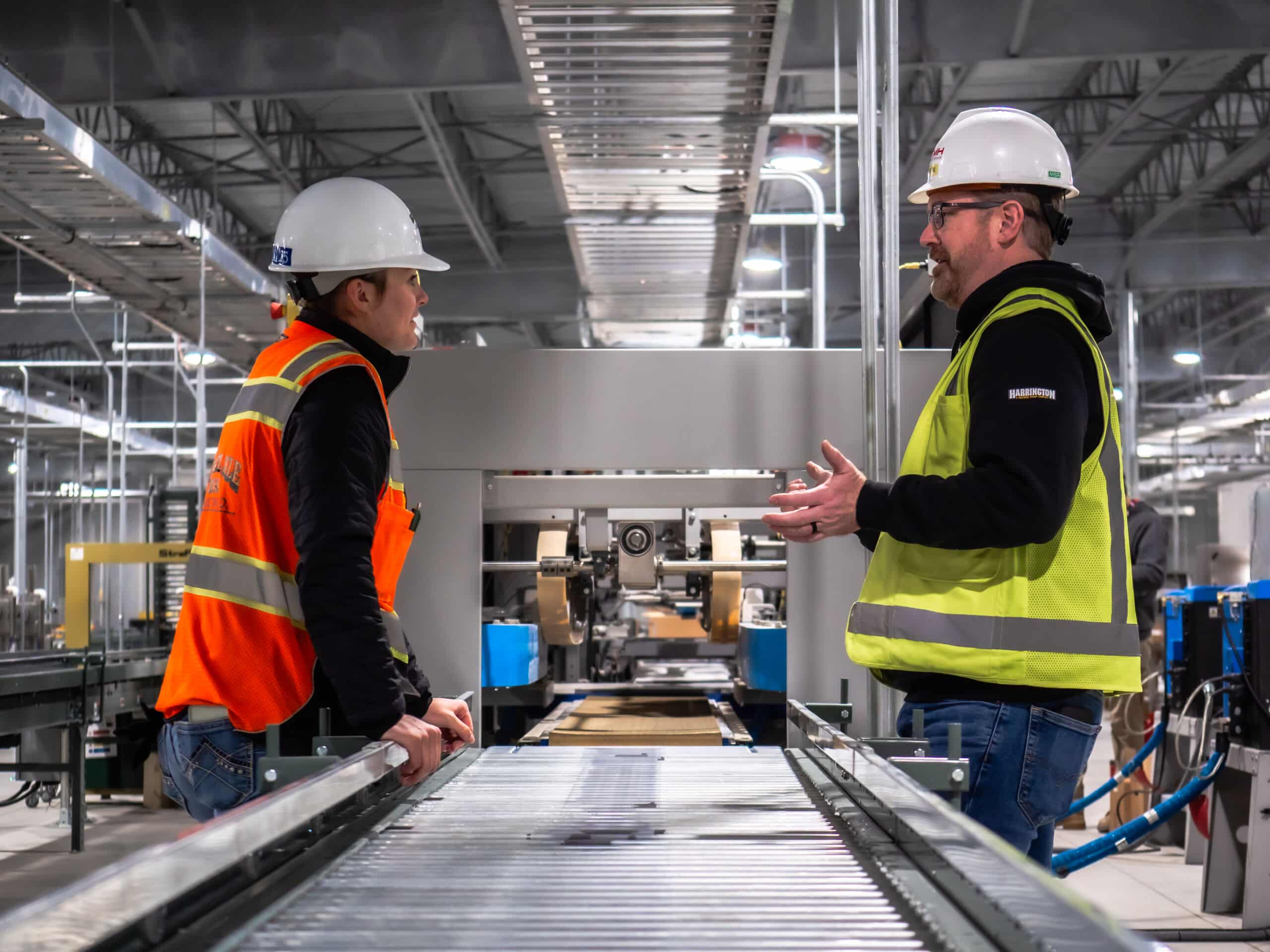
One of the most versatile material handling solutions in the warehouse environment is conveyor systems. There is a reason this material handling method has been around for so long! Conveyor belts have been in use since 1905 when they were first used in the coal mining industry. Henry Ford saw their potential and put them to use in his automobile factory. At their most basic, conveyors are built to move objects from one space to another, but how they do that can be minutely tailored to your warehouse’s needs. That’s why today you’ll find conveyor systems used in warehouses in almost every industry imaginable, from automotive to jewelry to aerospace and beyond. You’ll even see conveyor systems moving people through large buildings like airports and shopping malls. So how diverse are they?
- Conveyor systems can be as long or short as you need them. You can have a short conveyor belt running between two aisles in your warehouse or have one running hundreds of feet along your production facility.
- They can handle objects of virtually any use. Conveyor systems can be set up to move large automobiles or they can be configured to handle tiny, delicate electronics.
- Conveyor systems can move objects in any direction. Whether you need to move items up, down, or side to side, conveyors can handle it all.
If you are struggling to develop an efficient system to move products through your warehouse, call and talk to an RMH Systems representative. They’ll help you configure a conveyor system that’s right for your space, your needs, and your budget!
Talk to an Engineer
Have questions about your application or project? Our engineers are here to help—no pressure, just practical answers.
Related Articles

When Cattle Inventory Is Tight and Labor Is Tighter: How to Gain a Competitive Edge with Automation
Key Takeaways Beef processors are facing mounting pressure from tight cattle supplies and persistent labor shortages. For small to mid-sized operations, automation doesn’t have to mean replacing workers or investing in massive new systems. [...]
Choosing the Right Automation Partner: 4 Questions Every Regional Beef Processor Should Ask
Key Takeaways Automation can give regional beef processors a real competitive edge—but only when it’s right-sized and backed by the right partner. This blog outlines the key questions regional processors should ask when evaluating [...]
Automation ROI for Regional Beef Processors: Where to Start and What to Expect
Key Takeaways Beef processors are under increasing pressure from labor shortages, rising wages, and higher expectations for quality and sustainability. As a result, automation is being reevaluated—not as a simple cost-reduction tool, but as [...]