Key Takeaways
Automation can give regional beef processors a real competitive edge—but only when it’s right-sized and backed by the right partner. This blog outlines the key questions regional processors should ask when evaluating automation solutions to reduce risk, control costs, and support long-term growth.
- Look for automation that fits your needs today and can grow with your operation
- Prioritize partners with proven experience in regional beef plants and strong post-project support
- Define success using practical, operational metrics that matter to regional processors
Regional beef processors have different challenges from large, national plants–less capital, tighter margins, and low tolerance for downtime. When strategically integrated, automation can provide a competitive advantage by improving product quality, increasing sustainability through waste reduction, and easing labor challenges, among other key benefits. But, like any other project, it requires choosing the right partner.
If you’re considering automation and beginning the search for a system integrator, here are four questions to guide you.
1. Does It Fit Us?
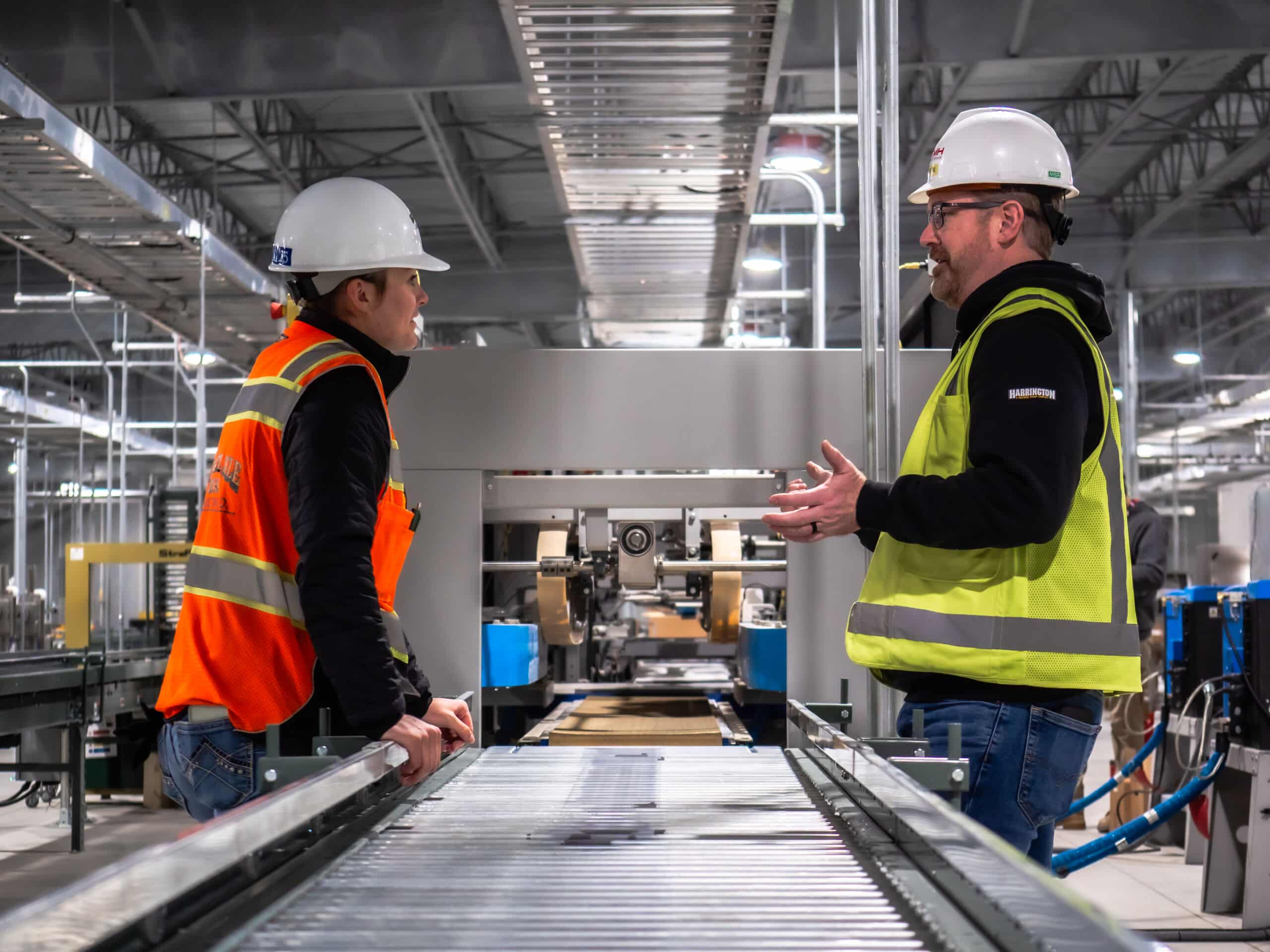
If you’re a regional processor, you don’t need enterprise-level systems requiring a lot of capital or a big, in-house engineering team. Automating some or all of your labor-intensive processes can make a big difference, including:
- Conveying
- In-motion weighing
- Case forming, packing and sealing
The right system should meet your current needs, with room to grow in the future.
RELATED: New Budget Law Accelerates Payback for Manufacturers: What You Need to Know
2. What’s Your Experience with Regional Beef Processors?
While experience in meat processing matters, a portfolio of regional plant projects matters more. Your system integration partner should be able to answer:
- How many mid-size/regional projects they’ve completed
- Other projects they’ve completed with similar line speeds and labor models
- How they account for product variability and changeovers, if this applies to your operations
RELATED: See the regional beef processing automation projects we’ve completed
3. How Much Support Will We Receive During and After the Project?
Regional processors usually don’t have big maintenance or controls teams, so a full-service integration partner–one who provides support during and after the project–is key. You’ll want to ask:
- Who owns commissioning and startup
- What kind of training is included for staff
- What maintenance and repair support looks like in the future
RELATED: Our local repair & maintenance services
4. How Is Success and ROI Defined?
With regional processors facing a lot of challenges like low cattle inventory and ongoing labor shortages, ROI is critical. For processors, the biggest gains are realized through reducing or eliminating hard-to-staff positions, limiting overtime, and stabilizing production. A couple of key questions regarding success include:
- Which metrics are used to define success (throughput, yield, uptime, etc.)
- How success is measured in the short-term, mid-term and long-term
- Results achieved by similarly-sized operations
RELATED: Automation ROI for Regional Beef Processors: Where to Start and What to Expect
Specializing in Right-Sized Automation That Grows with You
The right beef processing automation partner creates a right-sized solution that solves today’s most pressing problems with the capacity to grow with you in the future. A good partner will welcome tough questions and help you move forward at a pace that fits your needs.
At RMH Systems, we’ve helped regional processors like Sustainable Beef, Caviness Beef Packers, and True West Beef transform their operations through automation. If you’re ready to explore what automation could look like in your plant, request a free consultation today!
Talk to an Engineer
Have questions about your application or project? Our engineers are here to help—no pressure, just practical answers.
Related Articles

When Cattle Inventory Is Tight and Labor Is Tighter: How to Gain a Competitive Edge with Automation
Key Takeaways Beef processors are facing mounting pressure from tight cattle supplies and persistent labor shortages. For small to mid-sized operations, automation doesn’t have to mean replacing workers or investing in massive new systems. [...]

Automation ROI for Regional Beef Processors: Where to Start and What to Expect
Key Takeaways Beef processors are under increasing pressure from labor shortages, rising wages, and higher expectations for quality and sustainability. As a result, automation is being reevaluated—not as a simple cost-reduction tool, but as [...]

Are Your Packaging and Material Handling Systems Ready for FSMA 204?
Key Takeaways FSMA 204 raises the bar for food traceability, requiring manufacturers to capture and maintain critical data at key points throughout production and distribution. While the regulation is often viewed as a software [...]