
Utilizing space efficiently in a warehouse or distribution center can be an exercise in trade-offs. The smaller the footprint of your building, the less expensive utilities become and shorter distances between receiving, storage, order fulfillment, and shipping add efficiencies and cost savings. However, buildings sized just right for today can lead to difficulty expanding or reconfiguring later on.
Adding mezzanine levels can be a fast and easy way to double your space and can cost up to 80% less than a building addition. In addition to being less expensive initially, elevated platforms can also qualify for accelerated depreciation similar to capital equipment, saving you money at both ends of the expansion.
Easy to install, move, and expand, mezzanines installed in days rather than weeks or months and reduce the disruption of your business.
How a Mezzanine Can Add Value
Mezzanines take advantage of existing overhead space to:
- support conveyors or other equipment

- elevate plant offices
- create additional storage
- add manufacturing space
- provide access to machinery and materials
- supply an inspection and testing area

Along with these functional benefits, adding a work platform also saves money by qualifying for accelerated 7-year capital equipment depreciation, as opposed to the 39 years normally associated with permanent building improvements.
The Four Types of Mezzanine
- Free Standing Mezzanines. Also known as structural, steel, or wide span mezzanines, these are commonly used in a wide variety of applications and offer great flexibility in set-up and restructuring if needed. Free standing mezzanines and platforms are considered capital equipment and as a result, provide the depreciation tax advantages mentioned above.
- Building Supported Mezzanines. If a building is designed to support additional loads, the structure can be used to support a mezzanine or platform. A blended system can also be developed in which a mezzanine is supported partly by the building structure and partly by columns, as long as the foundation can support the additional load.
- Rack Supported Mezzanines. These platforms create a mezzanine level of usable space between existing storage racks, provided that the rack system can support the additional loads. Catwalks also can be installed in these situations.
- Shelving Supported Mezzanines. Ideal for storage of smaller items alongside existing shelving. This is an economical way to make more efficient use of existing space. This type of mezzanine is the least flexible in terms of reconfiguration.
You may have noticed that I occasionally used the word “Platform” instead of “Mezzanine” above. That’s because the language is changing for these structures and the terms “equipment platform”, storage platform” or “elevated work platform” are being used instead of mezzanine. This is due to the perception that a mezzanine is a permanent structure, usually thought of as being in a hotel, theater or home, like the picture above. This perception can create tax problems as well because the platform might be considered a permanent structure and lose the depreciation advantages.
By referring to them as “elevated work platforms” instead, they’re more obviously not a permanent part of the building. Instead, they can be thought of as an accessory to other equipment like storage, office space, conveyors/cranes/pick systems or even robotics.
If you have any questions or would like additional information, simply get in touch. We’re always happy to help.
Related Articles
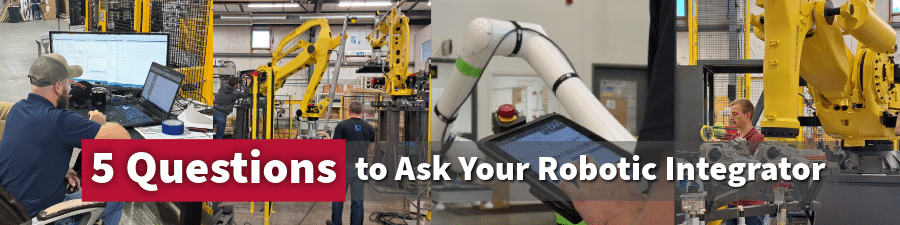
5 Questions to Ask Your Robotic Integrator Before Starting an Automation Project
Automation through industrial robotics is transforming manufacturing—boosting throughput, reducing labor shortages, and increasing consistency across operations. But before you invest, one of the most important decisions you'll make is choosing the right robotic integrator. [...]
RMH Systems is a Top Workplace – 10th Year In a Row!
At RMH Systems, we believe the best way to take care of our customers is to take care of our people. That’s why we’re excited to share that we’ve been named a 2025 Iowa Top [...]

New Budget Law Accelerates Payback for Manufacturers: What You Need to Know
The newly signed One Big Beautiful Bill Act (OBBBA) makes it easier — and faster — for U.S. manufacturers to invest in automation, equipment, and even production buildings. For RMH Systems customers this means shorter [...]